Instagram Marketing: 5-3-1, 80/20 Rules & Twastia.com Guide
Anyone who has tried to grow a business on Instagram knows the platform rewards strategy over luck—this guide unpacks the most‑cited marketing rules (5‑3‑1, 80/20) and shows how to evaluate an agency like Twastia.com. With over 2 billion monthly active users, Instagram remains the top platform for brand discovery, yet many businesses still struggle to turn followers into revenue.
Instagram MAU (2024): 2 billion ·
Businesses on Instagram: 200 million+ ·
Average engagement rate per post: 0.6% ·
Instagram ad reach (2024): 1.47 billion users
Quick snapshot
- Instagram has over 2 billion monthly active users (Meta Transparency Center)
- Over 200 million businesses use Instagram (Instagram Help Center)
- Average engagement rate hovers around 0.6% (HubSpot)
- Exact follower count needed for $1,000/month varies by niche and engagement
- Specific performance of Twastia.com as an agency is unverified beyond anecdotal reviews
- Long‑term impact of Instagram’s algorithm changes on organic reach is unpredictable
- Effectiveness of the 5‑3‑1 rule differs by industry and audience
- No major platform update timeline is confirmed; Instagram continually rolls out features through 2024 (About Meta)
- Brands will likely need to balance Reels, Stories, and carousel posts while monitoring AI‑driven ad tools (Sprinklr)
The following table summarizes key Instagram marketing figures.
| Instagram MAU (2024) | 2 billion |
|---|---|
| Businesses on Instagram | 200 million+ |
| Average engagement rate | 0.6% |
| Ad reach (global) | 1.47 billion |
| Influencer market size | $3.7 billion annually |
What is Instagram marketing?
Instagram marketing means using the platform to promote products, services, or brands through organic content and paid advertising. A business account—available to any brand—unlocks access to Insights, contact buttons, and promotion tools (Instagram Help Center).
What is an Instagram business account?
An Instagram Business account gives you professional features like post scheduling, performance metrics, and the ability to run ads. It also allows you to add a contact button and link in bio (the same source).
What are the benefits of Instagram for business?
- Direct access to over 2 billion monthly active users (Meta Transparency Center)
- Ability to tag products and enable Instagram Shopping (Meta Business Help Center)
- Built‑in analytics via Instagram Insights to track reach, impressions, and follower growth (Engati)
The implication: starting with a business account is the single most fundamental step—without it, you miss the data layer that every marketing rule depends on.
What is the 5-3-1 rule for Instagram?
The 5‑3‑1 rule is a content‑posting framework often shared in marketing communities: post 5 pieces of content from others, 3 from your own brand, and engage in 1 direct interaction daily. It’s designed to balance curation, promotion, and community building.
What is the 3 3 3 rule in marketing?
The 3‑3‑3 rule suggests sharing 3 pieces of content from others, 3 from your brand, and 3 sales‑oriented pieces per week. It’s a weekly version of the daily 5‑3‑1 approach.
What is the 5 5 5 rule for social media?
The 5‑5‑5 rule recommends 5 posts, 5 replies, and 5 new connections per day—focusing more on networking than on content mix.
The trade‑off: none of these rules are official Instagram guidelines. They are crowd‑sourced rhythms that work for some accounts but may feel rigid for brands with limited content teams.
What is the 80/20 rule in Instagram?
The 80/20 rule states that roughly 80% of your content should be valuable, educational, or entertaining—and only 20% should directly promote your products or services.
What is the 70/20/10 rule in social media?
The 70/20/10 rule breaks content into three buckets: 70% proven posts that your audience already likes, 20% curated or shared content from others, and 10% experimental posts that test new ideas.
What is l1 l2 l3 marketing?
L1, L2, L3 refers to levels of marketing sophistication: L1 is basic social media presence, L2 includes targeted advertising and segmentation, L3 uses advanced analytics and automation. This framework helps brands figure out where their current Instagram strategy sits.
The pattern: whether you apply 80/20 or 70/20/10, the core insight is the same—consumers reward brands that provide value before they ask for a sale.
What is an Instagram marketing agency?
An Instagram marketing agency handles content creation, ad management, strategy, and performance analysis for businesses that lack in‑house expertise. Agencies also broker influencer partnerships and track ROI.
What are 5 different types of Instagram ads?
- Photo ads – Single image in feed or Stories.
- Video ads – Up to 60 seconds in feed, up to 15 seconds in Stories.
- Carousel ads – 2–10 swipeable images or videos.
- Stories ads – Full‑screen vertical immersive ads.
- Reels ads – Short‑form video that appears in the Reels tab.
Businesses can combine these with targeting options such as demographics, interests, and behaviors (Meta Business Help Center).
What services does an Instagram marketing agency provide?
- Account setup and optimization (bio, link, profile picture)
- Content calendar and production (Reels, Stories, carousels)
- Paid ad campaigns (budget management, A/B testing)
- Influencer sourcing and relationship management
- Monthly performance reports (engagement rate, reach, conversions)
Why this matters: agencies like Twastia.com position themselves as full‑service partners, but you should always request case studies and client references before signing a contract.
How many followers on Instagram do you need to make $1000 per month?
Follower count alone does not guarantee earnings—engagement and niche matter far more. A typical range for earning $1,000/month from sponsored posts is 10,000 to 100,000 engaged followers. Micro‑influencers (1k–10k followers) can earn $100–$500 per post if their audience is highly targeted.
How to get paid on Instagram?
- Branded content partnerships (requires using the “Paid partnership” tag – Instagram Help Center)
- Affiliate marketing (share unique links or discount codes)
- Selling your own products via Instagram Shopping
- Becoming a creator on Instagram’s bonus programs (by invitation)
What factors affect Instagram earnings?
- Engagement rate (likes, comments, shares relative to followers)
- Audience demographics (brands pay more for specific age/location segments)
- Content niche (fashion, tech, and finance often command higher rates)
- Prior collaboration history with a brand
The catch: a high follower count with low engagement is often worth less than a small, loyal community. Focus on building a responsive audience rather than chasing vanity numbers.
How to start Instagram marketing for beginners
If you are new to Instagram marketing, follow these steps:
- Create a Business account – Switch from personal to business within Instagram settings (Instagram Help Center).
- Optimize your profile – Use a clear profile picture, write a concise bio with keywords, and include a link to your website or landing page (HubSpot).
- Define your goal and audience – Decide if you want brand awareness, website traffic, or direct sales; research your followers’ age, location, and interests (Engati).
- Plan a content mix – Apply the 80/20 rule: 80% valuable content and 20% promotional. Use Reels for reach, Stories for behind‑the‑scenes, and carousels for educational deep‑dives (Sprinklr).
- Set up Instagram Shopping (if selling products) – Connect your catalog through Meta Commerce Manager and tag products in posts (Meta Business Help Center).
- Engage daily – Respond to comments, reply to DMs, and interact with followers’ content. Consistency builds community.
- Monitor and adjust – Use Instagram Insights to track what content performs best, then refine your strategy over time.
For more background, read our Instagram Marketing Guide Review 2024 for a deeper look at official policies.
The pattern: following these steps systematically reduces the learning curve and sets a foundation for growth.
Clarity check: what we know and what we don’t
Confirmed facts
- Instagram has over 2 billion monthly active users (Meta, 2024)
- More than 200 million businesses use Instagram (Instagram Help Center)
- Average engagement rate hovers around 0.6% (HubSpot)
- Instagram ads must comply with Meta’s ad standards (Meta Transparency Center)
What’s unclear
- Exact number of followers needed for $1,000/month varies by niche and engagement
- Specific performance of Twastia.com as an agency is unverified beyond anecdotal reviews
- Long‑term impact of Instagram’s algorithm changes on organic reach is unpredictable
- Effectiveness of the 5‑3‑1 rule differs by industry and audience
The takeaway: while broad trends are well‑documented, individual results depend on many variables—treat any specific number as a guide, not a guarantee.
Expert perspectives
“Over 200 million businesses use Instagram to connect with customers.”
— Instagram for Business (About Meta)
“Businesses see an average engagement rate of 0.6% across all post types.”
— HubSpot (HubSpot Instagram Marketing Guide)
Two themes stand out: first, the sheer scale of Instagram as a business channel; second, the modest average engagement rate, which underscores why paid reach and influencer partnerships are often necessary to stand out.
Summary
Instagram marketing is not a single formula—it’s a blend of proven content rules (5‑3‑1, 80/20, 70/20/10) and the right tools (Business account, Insights, Shopping). For a brand evaluating an agency like Twastia.com, the decision is clear: demand transparent case studies, check for compliance with Instagram’s branded content policies, and start with a DIY pilot before committing a full budget. Otherwise, you risk paying for tactics that a few hours of research could deliver on your own.
engati.com, toptal.com, slateteams.com, youtube.com, crowdspring.com, youtube.com
Frequently asked questions
How much does an Instagram marketing agency cost?
Monthly retainers typically range from $1,500 to $15,000 depending on services, ad spend, and scope.
Can you do Instagram marketing without a business account?
Yes, but you lose access to Insights, ads, and Shopping features—core tools for measuring and scaling.
What is the best time to post on Instagram?
General research suggests 9–11 AM EST weekdays, but your best time depends on your audience’s behavior—check Instagram Insights.
Do hashtags still matter for Instagram reach in 2026?
Yes, but relevance and moderation matter more than quantity. Use 3–5 targeted hashtags per post.
How long does it take to see results from Instagram marketing?
Most brands see measurable engagement growth within 3–6 months of consistent posting and community management.
Is Instagram marketing worth it for small businesses?
Yes, when done strategically. A small local bakery can build a loyal following with behind‑the‑scenes Reels and Stories without spending on ads.
What is the difference between Instagram and TikTok marketing?
Instagram leans toward lifestyle, product discovery, and polished visuals; TikTok thrives on raw, viral, trend‑driven content. Both can work, but your audience dictates the fit.
More related posts
 Who Is the Holy Spirit? Biblical Guide & Doctrinal Facts
 Bob Jane: Biography, Family, Net Worth & Tycoon Story
 Dark and Darker – Steam Release Price Platforms Guide
 Nicki Nicole: Lamine Yamal Relationship, Net Worth, Age
 No Limits Removalists Reviews: Customer Feedback Analysis
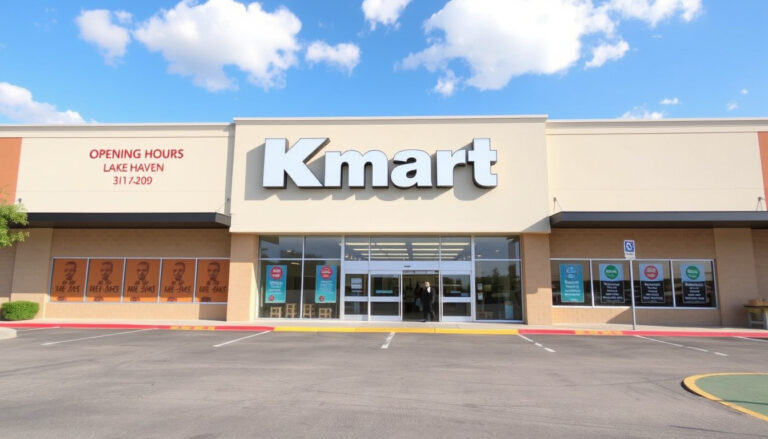 Kmart Lake Haven – Opening Hours, Location and Services
 Jack Osbourne: MS Diagnosis, Kids, Net Worth, and Family Life
 Sarah Sherman: Biography, SNL Career, and Comedy Style