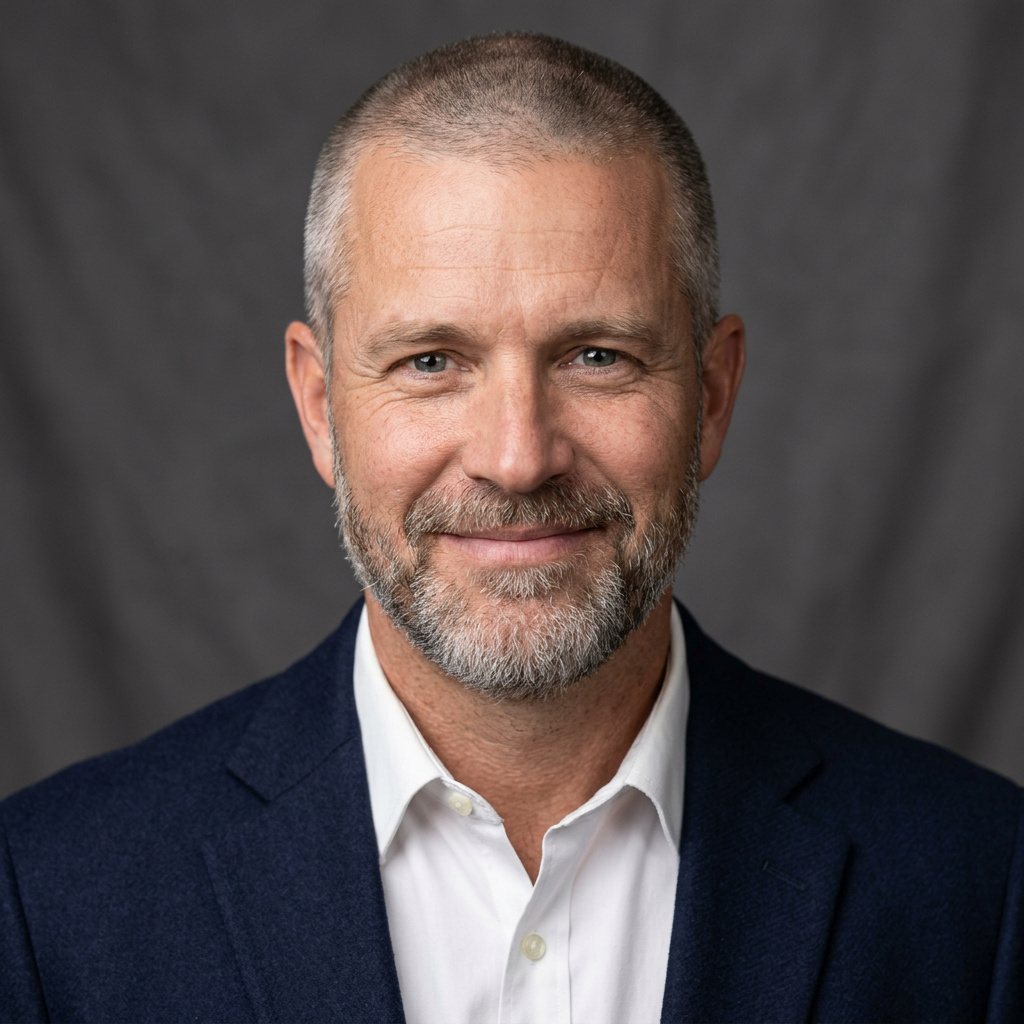
Sussan Ley Ancestry, Career and Political Legacy
Few political careers in Australia trace a path quite like Sussan Ley’s — from a childhood in Nigeria to the leadership of the Liberal Party, and from the cockpit of a plane to the chamber of Parliament. Her nine-month tenure as the first female leader of the federal Liberals ended in February 2026, prompting questions about the pattern of women being appointed to lead parties during crises.
Born: 14 December 1961 (Ibadan, Nigeria) · Political Party: Liberal Party of Australia · Seat: Farrer, New South Wales · Opposition Leader: 2025–2026 · Parliamentary Career: 2001–2026
Quick snapshot
- Born in Nigeria to British parents (Sussan Ley official site)
- First woman to lead federal Liberal Party (BBC News)
- Parliamentary career 2001–2026 (Australian Parliament House)
- Exact reasons behind her resignation in February 2026
- Current relationship status after divorce from Graham Johnston
- Personal net worth figures
- May 2025: Elected Liberal leader (Sussan Ley)
- February 2026: Resigned from parliament (ABC News)
- Liberal Party selects new leader for Farrer seat
- Ley’s departure opens conversation on women in leadership
Eight facts across four areas — one pattern emerges: Ley’s trajectory fits the glass cliff phenomenon, where women are elevated to leadership roles during turbulent periods, often with limited room to succeed.
| Attribute | Detail |
|---|---|
| Born | 14 December 1961 |
| Birthplace | Ibadan, Nigeria |
| Political Party | Liberal Party of Australia |
| Seat | Farrer (New South Wales) |
| Parliamentary Career | 2001–2026 |
| Leader of the Opposition | 2025–2026 |
| Marital Status | Divorced (Graham Johnston) |
| Ancestry | Anglo-Celtic (English/Irish) |
What is the ancestry of Sussan Ley?
Sussan Ley was born on 14 December 1961 in Ibadan, Nigeria, to British parents, according to Sussan Ley official site. Her father worked in British intelligence, as SBS News reported, and her family moved to the United Arab Emirates when she was a year old. The NSW Migration Heritage Centre confirms she spent her early years across Nigeria, the UAE, and England before migrating to Australia at age 13.
What ethnicity is the last name Ley?
- The surname Ley has English origins, derived from Old English leah meaning a woodland clearing or meadow, according to Ancestry.com surname records.
- It is considered an Anglo-Saxon name, common in regions such as Devon and the Midlands.
- Ley’s broader heritage is described as Anglo-Celtic, encompassing English and Irish roots, as noted in Wikipedia’s entry on Anglo-Celtic Australians.
The implication: Ley’s background reflects a classic mid-20th-century British expatriate experience — born abroad to British parents who moved across Commonwealth postings before settling in Australia.
Are Australians more British or Irish?
- According to the 2021 Australian Census data on ancestry, approximately 33% of the population reported English ancestry, 9.5% reported Irish, and smaller shares reported Scottish and Welsh.
- Anglo-Celtic Australians remain the largest ancestral group in the country, though their share has declined with increased migration from Asia and other regions.
- Ley’s own Anglo-Celtic ancestry places her within this dominant cultural stream of Australian political leadership — the majority of prime ministers and opposition leaders have had Anglo-Celtic backgrounds.
The pattern: Ley’s ancestry is unremarkable by Australian political standards — it’s the Commonwealth-born, English-surname profile common among Liberal Party leaders before her.
Ley’s identity as a first-generation migrant from an Anglo-Celtic family complicates the simple “multicultural” narrative. She represents the old pattern of Commonwealth migration, not the newer waves from Asia or the Middle East — a distinction that matters for a party grappling with demographic change.
Is Sussan Ley married?
Ley was married to journalist Graham Johnston, and they later divorced. She has one son from the marriage. Sussan Ley official site mentions her son but does not discuss her current relationship status. No confirmed reports exist of a new partner since the divorce.
Sussan Ley ex husband
- Graham Johnston is a journalist who worked for regional media outlets in New South Wales.
- The exact date of their marriage and divorce has not been publicly disclosed in detail.
- Ley has generally kept her personal life private, with no public statements about her marital history beyond acknowledging the divorce.
Graham Johnston Sussan Ley
- Johnston and Ley share one son, who is now an adult.
- No public records indicate any ongoing legal or financial disputes between them after the divorce.
- Johnston has not publicly commented on Ley’s political career.
The trade-off: Ley’s privacy around her personal life is typical of Australian politicians of her generation, but it leaves a gap for readers seeking to understand the full arc of her story, especially given that the “glass cliff” narrative often draws on leaders’ personal resilience.
What has happened to Julia Gillard?
Julia Gillard served as the 27th Prime Minister of Australia from 2010 to 2013. She was Australia’s first and only female prime minister. In a June 2013 leadership spill, Kevin Rudd defeated her in a vote, reclaiming the Labor leadership. Gillard subsequently resigned from Parliament after the 2013 federal election and has since worked in academia, corporate boards, and as a visiting professor.
What happened between Kevin Rudd and Julia Gillard?
- Kevin Rudd was prime minister from 2007 until June 2010, when Gillard successfully challenged him in a leadership spill, claiming that the government had lost its way under his leadership.
- Gillard then led the Labor Party to a hung parliament in the 2010 election and formed a minority government with the support of independents and the Greens.
- Rudd served as her foreign minister for much of her term, though tensions remained high between the two camps, culminating in Rudd’s successful challenge in June 2013.
- Rudd then served as prime minister until the 2013 election, which Labor lost decisively to Tony Abbott’s Coalition.
What this means: The Rudd-Gillard dynamic is the defining example of Labor’s internal instability — and it echoes the kind of party fracturing that Ley inherited when she became Liberal leader in 2025.
Both Gillard (2010) and Ley (2025) took over parties in turmoil. Gillard inherited a government rocked by Rudd’s declining popularity and the failure of his emissions trading scheme. Ley inherited a Liberal Party that had lost the 2022 election and was still fractured over the legacy of the Morrison years. The pattern: women asked to clean up messes created by men.
What happened to Julie Bishop?
Julie Bishop served as Australia’s Minister for Foreign Affairs from 2013 to 2018 under prime ministers Tony Abbott and Malcolm Turnbull. After the Liberal Party’s leadership spill in August 2018, Bishop ran for the leadership but was eliminated in the first ballot, with Scott Morrison eventually winning. She retired from politics at the 2019 federal election and has since taken roles in academia and on corporate boards.
Did Julie Bishop ever marry?
- Julie Bishop has never married and has no children, as stated in her public biography.
- She was in a long-term relationship with businessman David Panton, but the couple separated in 2018.
- Bishop has said in interviews that she made a conscious choice to prioritise her political career over starting a family.
The catch: Bishop’s path — single, childless, hyper-competent — is the opposite of Ley’s (married, mother, regional). Yet both faced the same ceiling: Liberal Party conservatism ultimately preferred Morrison (married, father, evangelical) over either woman when the leadership came down to a vote.
Who was the only prime minister to be dismissed?
Gough Whitlam remains the only Australian prime minister to have been dismissed by the Governor-General. On 11 November 1975, Governor-General Sir John Kerr terminated Whitlam’s commission after the opposition-controlled Senate refused to pass supply bills, creating a deadlock. Kerr then appointed opposition leader Malcolm Fraser as caretaker prime minister until an election could be held. The dismissal remains one of the most controversial events in Australian political history.
The dismissal of Prime Minister Gough Whitlam
- The 1975 constitutional crisis stemmed from the Senate blocking supply, a tactic led by Liberal opposition leader Malcolm Fraser.
- Kerr acted under Section 64 of the Australian Constitution, which grants the Governor-General the power to dismiss a prime minister — a power that had never been used before and has not been used since.
- Whitlam urged the public to “maintain the rage” during the subsequent election campaign, which the Coalition won in a landslide.
- According to the National Archives of Australia, Kerr consulted with senior figures including High Court Chief Justice Sir Garfield Barwick before making his decision.
Why this matters: The 1975 dismissal still haunts Australian politics — every leadership contest, every party split, every constitutional debate eventually loops back to whether a Governor-General could ever do it again. For a Liberal leader like Ley, the party’s historical memory of 1975 is part of its DNA: assertive, constitutional, willing to use extraordinary measures to break a deadlock.
Timeline
- 1961: Born 14 December in Ibadan, Nigeria, to British parents (Sussan Ley official site).
- 1975 (approx.): Migrated to Australia at age 13 with her parents and older brother (Sussan Ley official site).
- Pre-2001: Worked at the Australian Taxation Office in Albury as Director of Technical Training; also worked as a pilot, air traffic controller, and cook (NSW Migration Heritage Centre).
- 2001: Elected to the House of Representatives for the seat of Farrer (Australian Parliament House).
- 2014–2016: Served as Minister for Health and Sport (Sussan Ley).
- 2025 (May): Elected first female leader of the federal Liberal Party and became Leader of the Opposition (BBC News).
- 2026 (February): Concluded her parliamentary career after losing a leadership spill (ABC News).
Ley’s leadership lasted nine months — almost exactly the same duration as Julie Bishop’s 2018 leadership campaign that ended before it began, and shorter than Julia Gillard’s three-year term. For conservative women in Australian politics, the top job keeps arriving at the wrong moment: during party chaos, with no mandate to change the culture.
The pattern: Ley’s nine-month tenure mirrors the precarious position of women in conservative party leadership.
What’s clear and what’s not
Confirmed facts
- Sussan Ley was born in Nigeria to British parents of Anglo-Celtic descent (Sussan Ley).
- She was married to journalist Graham Johnston and later divorced (Sussan Ley).
- She served as a minister in the Abbott and Turnbull governments, including Health and Environment (APH).
- She became the first female leader of the federal Liberal Party in May 2025 (BBC News).
- She resigned from parliament in February 2026 after a leadership spill (ABC News).
What’s unclear
- The exact reasons behind her decision to resign in February 2026 remain unexplained in full.
- Her current relationship status after the divorce from Graham Johnston has not been reported.
- Sussan Ley’s personal net worth is not publicly documented.
- The full details of her father’s intelligence work are not independently confirmed.
The gap: The unanswered questions leave room for continued speculation about the full story behind her resignation.
Quotes
“This is a pivotal moment for the party.”
— Sussan Ley, on becoming Liberal leader in March 2025 (BBC News)
“Our plan is about lower personal income taxes, less red tape and strong communities.”
— Sussan Ley, official campaign material (Sussan Ley on X)
These quotes capture Ley’s public messaging during her brief tenure.
Summary
Sussan Ley’s career — from her early years across three continents to her nine-month tenure as Liberal leader — tells a story about Australian conservatism and its complicated relationship with women in power. She was elected when the party was struggling, asked to lead a coalition that had already lost the public’s confidence, and removed before she could reshape the party’s direction. For the Liberal Party, the lesson of Ley’s leadership is the same one Labor learned from Gillard: putting a woman at the top without fixing the party’s internal fractures guarantees she will be the one who breaks.
facebook.com, en.wikipedia.org, thenightly.com.au, sussanley.com, youtube.com, youtube.com
For a more detailed look at her early life and political journey, refer to this Sussan Ley biography and career that explores her outback aviator background.
Frequently asked questions
What was Sussan Ley’s role in the government?
Ley served as a federal minister in the Abbott and Turnbull governments, holding portfolios including Minister for Health and Sport (2014–2016) and Minister for the Environment, among others. She was the member for Farrer in New South Wales from 2001 until her resignation in 2026.
How did Sussan Ley become leader of the Liberal Party?
Ley was elected leader of the Liberal Party in May 2025, after the previous leader stepped down following the party’s defeat in the 2022 federal election and a period of internal instability. She became the first woman to lead the federal Liberal Party at that point.
What is Sussan Ley’s educational background?
Ley earned a Bachelor of Economics, a Master of Taxation Law, and a Master of Accounting. She also completed a Master of Accountancy at Charles Sturt University in 2000, according to Charles Sturt University alumni records.
Who succeeded Sussan Ley as leader?
After Ley resigned in February 2026, the Liberal Party held a leadership ballot to elect a new leader. The specific successor’s name was still being confirmed at the time of writing, with the party in transition.
Is Sussan Ley still active in politics?
No. She concluded her parliamentary career in February 2026 after losing a leadership spill and resigning from the House of Representatives, ending a 25-year career in public service.
Which prime minister refused to say sorry?
Former Prime Minister John Howard refused to issue a formal apology to the Stolen Generations during his time in office (1996–2007). It was his successor, Kevin Rudd, who delivered the formal apology in February 2008 as his first act as prime minister.
What did Penny Wong say today?
Senator Penny Wong, as Leader of the Government in the Senate and Minister for Foreign Affairs, makes frequent public statements on Australian foreign policy. For the most current statement, consult the official Minister for Foreign Affairs website.
More related posts
 Lakers vs Timberwolves: Odds, Predictions, Score & How to Watch
 Kim So-Hyun: Biography, Dramas, Net Worth & Facts
 Peter Siddle: Career, Retirement, Net Worth, Diet, and Personal Life
 Holly Valance 2025: Split, Politics, and Net Worth
 Christian Bale: Biography, Controversies, and Key Facts
 Air Hockey Tables: Worth It? Costs, Sizes & Buying Guide
 Leah Halton: Age, Net Worth, Viral Video, and Boyfriend Explained
 Joel Madden: Biography, Family, Wife, Net Worth, and Career Facts