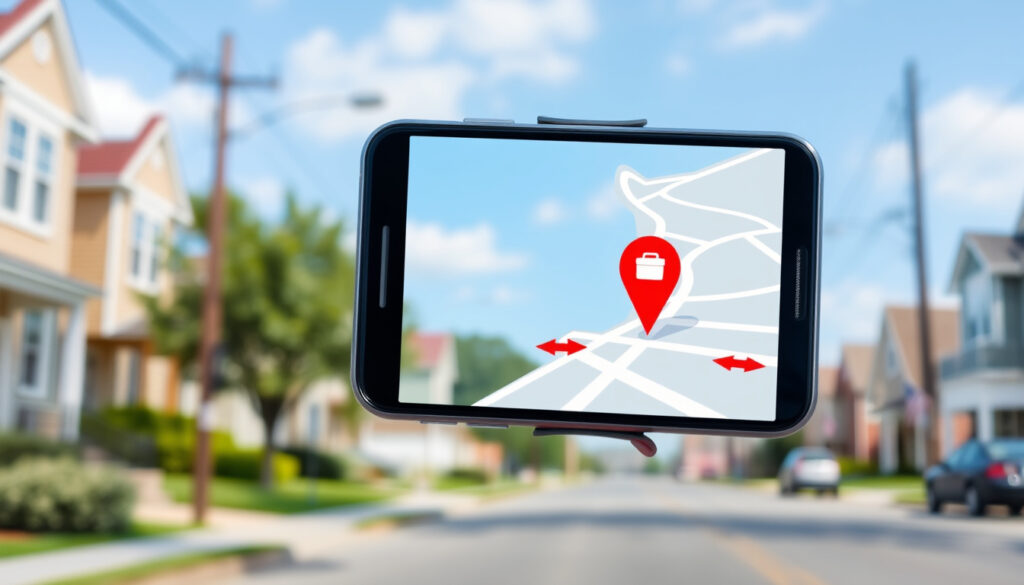
Polling Booth Near Me – Find Your Voting Location Fast
Finding your polling booth before election day prevents last-minute confusion and ensures you know exactly where to cast your ballot. Polling places are assigned based on your residential address, and they can change between elections, making it essential to verify your location regularly.
Whether you prefer using your ZIP code, entering your street address, or relying on mobile apps, multiple tools exist to help voters locate their assigned voting stations quickly. These resources are available through official government platforms, state election offices, and third-party services designed specifically for this purpose.
This guide covers the most effective methods for finding your polling booth, what identification you may need to bring, and how to handle situations where your polling location has changed.
How Do I Find My Polling Booth Near Me?
Several tools allow you to locate your assigned polling place by entering your address or ZIP code. These range from national platforms to state-specific locators, each offering slightly different features depending on your location.
vote.gov
County election websites
Google Maps
State voter apps
- Enter your ZIP code or full street address for instant results on national platforms like vote.gov
- State election offices maintain county-by-county databases that often include precinct-level detail
- Google Maps and GPS apps provide directions, estimated wait times, and user reviews for polling locations
- Phone numbers for election offices in all 50 states are available through HeadCount’s locator tool
- Polling places are typically schools, community centers, or municipal buildings near your residence
- Hours generally run from 7 a.m. to 7 or 8 p.m. local time on Election Day, though this varies by state
- Always verify your polling place close to election day, as locations can change between elections
| Fact | Details |
|---|---|
| Typical Election Day Hours | 7 a.m. to 7 or 8 p.m. local time |
| ID Requirements | Varies by state; check your state laws |
| Early Voting Availability | Check your state election website |
| Primary Locator Tools | vote.gov, USAGov, HeadCount, NASS |
| Polling Location Basis | Your assigned precinct based on residential address |
| Common Polling Venues | Schools, community centers, municipal buildings |
| Location Changes | Polling places may change between elections |
| Accessibility Right | All polling places must be accessible; request accommodations ahead |
How to Check Your Assigned Polling Station
Verifying your assigned polling station before election day prevents problems at the polls. Your location depends on your voter registration address, and changes to your registration may affect which precinct and polling place you are assigned to.
Using Official State Election Websites
State election commission websites typically offer voter lookup tools where you can enter your name, date of birth, or registration details to confirm your polling place. For example, the Florida Division of Elections provides a county-specific precinct lookup tool that lets voters identify their exact polling location based on their address.
These tools are updated regularly and reflect changes made to precinct boundaries or polling venue assignments. Some counties publish temporary changes or special accommodations, particularly in areas with large student populations or recent redistricting.
Finding Precinct-Level Information
Your precinct is the smallest geographic unit for voting purposes, and each precinct has a designated polling place. County election offices maintain maps and records showing which addresses belong to which precincts.
If you have moved recently, update your voter registration to ensure you are assigned to the correct precinct. Voters who show up at an outdated polling location may need to travel to their proper venue or cast a provisional ballot.
Handling Polling Location Changes
Precincts and polling places can shift between elections due to redistricting, venue unavailability, or population changes. Some counties, such as Leon County in Florida, have adjusted precincts affecting thousands of voters, requiring residents to verify their current location before heading to the polls.
Polling locations can change between elections. Check your assigned location close to election day using official state tools rather than relying on memory from previous votes.
What Do You Need to Know About Polling Booths?
A polling booth is the physical location where eligible voters cast their ballots on election day. Understanding how these venues operate, what to bring, and what your rights are helps ensure a smooth voting experience.
What to Bring to Your Polling Place
Identification requirements differ significantly across states. Some states require government-issued photo ID, while others accept non-photo identification or have no ID requirement at all. Check your state-specific rules before election day.
Even in states without strict ID requirements, bringing your voter information card, a confirmational email from registration, and your current address on file can smooth the check-in process. If you arrive without required identification, you may be offered a provisional ballot in many jurisdictions.
Poll Hours and Timing
Polls open at 7 a.m. in many states and close at 7 or 8 p.m., though exact hours depend on state law and local ordinances. If you are in line by the closing time, you have the right to vote. Election officials cannot turn away voters who arrive before the announced close.
Early voting hours vary by location. In Leon County, Florida, for example, early voting runs from 10 a.m. to 6 p.m. at designated sites. Many states offer extended early voting windows, giving voters flexibility to avoid Election Day crowds.
Can You Vote at Any Polling Booth?
No. You must vote at your assigned precinct based on your residential address. Voting at a different location typically results in a provisional ballot that may not be counted, or you may be directed to return to your proper polling place.
Some states allow same-day registration and voting at any location, but this is the exception rather than the rule. Most states tie voters to their specific precinct, making it important to verify your assigned location before election day.
Use your address or ZIP code to locate your polling place now. Save the information and check again close to election day, especially if you have recently moved or if your county has undergone redistricting.
Key Voting Deadlines and Timeline
Staying aware of key dates ensures you do not miss your opportunity to vote. Registration deadlines, early voting windows, and absentee request deadlines all affect when and how you can cast your ballot.
- Voter Registration Deadline: Typically 15 to 30 days before an election, though some states allow same-day registration
- Early Voting Window: Usually begins 15 to 45 days before Election Day, depending on state law
- Absentee or Mail-In Ballot Request: Deadlines vary; request ballots well in advance of election day
- Election Day: Polls open early morning and close at state-designated times; voters in line by close must be served
What Is Established Versus What Remains Unclear
- Whether your specific precinct has changed since the last election
- Exact ID requirements for your state on election day
- Real-time wait times at your polling place
- Availability of accessible accommodations at your specific venue
- Whether your polling place is among those temporarily changed for a given election
Why Polling Location Accuracy Matters
Polling locations exist to serve voters in specific geographic areas. Assigning voters to precincts based on address ensures efficient ballot counting and prevents duplicate voting across districts. When voters show up at incorrect locations, their ballots may not be counted, and they may lose the opportunity to cast a regular ballot.
Common issues arise from recent moves, redistricting, or temporary venue changes due to construction or scheduling conflicts. County election offices update precinct maps regularly, but voters bear responsibility for verifying their assigned location before heading to the polls.
Wait times are another consideration. While official tools rarely provide real-time crowd data, Google Maps reviews and community apps sometimes offer crowd estimates based on user reports. Planning your visit during off-peak hours, such as mid-morning on a weekday, can reduce time spent in line.
Official Sources and Guidance
Voters can locate their polling place by entering their address on official state election websites or through national tools like vote.gov and the USAGov polling place finder.
— USAGov, Voting and Elections section
Polling places are based on your residential address and may change from one election to the next. Always verify your assigned location before Election Day using official resources.
How to Prepare for Voting Day
Preparing before election day reduces stress and helps you vote with confidence. Verify your registration status, locate your assigned polling place, and review your state’s identification requirements in advance.
If you prefer not to vote on election day, check whether your state offers early voting or absentee ballots. These alternatives let you cast your ballot at any time during the authorized window, often at locations more convenient for your schedule.
For additional guidance on preparing for election day, review resources on Holy Basil Darling Square Location Guide for similar location-based search strategies that apply to finding polling places.
Frequently Asked Questions
What if my polling booth changes?
Polling places can change between elections due to redistricting, venue availability, or population shifts. Check your state election website or use the vote.gov locator close to election day to confirm your current assignment.
Can I vote at any polling booth?
No. You must vote at your assigned precinct based on your residential address. Voting at a different location typically results in a provisional ballot or being turned away.
How do I find my polling booth by address?
Enter your address or ZIP code on vote.gov, your state election commission website, or through HeadCount’s state-by-state locator tools to find your assigned polling place.
What do I need to bring to the polling booth?
Requirements vary by state. Some require government-issued photo ID, others accept non-photo identification, and some have no ID requirement. Check your state laws and bring your voter information card if available.
What are typical polling booth hours?
Most polling places open at 7 a.m. and close at 7 or 8 p.m. local time. If you are in line by closing time, you have the right to vote. Hours may differ on weekends for early voting.
How can I check my assigned polling station online?
Use your state election commission website’s voter lookup tool, vote.gov, or HeadCount’s locator to verify your precinct and polling place by entering your address or voter registration details.
Are there alternative voting options if I cannot go to my polling place?
Many states offer early voting, absentee voting, or mail-in ballots. Check your state’s election office website for eligibility requirements and deadlines for these alternative voting methods.
What should I do if I have recently moved?
Update your voter registration as soon as possible after moving. Your new address determines your precinct and polling place, and voting at your old location will not count.
More related posts
 High Potential Season 2: Premiere, Finale, Howey Exit & 2027 Return
 Daniil Medvedev: Bio, Family, Ranking & Draper Controversy
 Justine Bateman: Life and Career After Family Ties
 Anne Aly: Biography, Religion, Career, and Family Facts
 Dr Tiffany Wilkes and Daughter Killed in Suspected Murder-Suicide
 Gender Reveal Ideas: Unique, Easy, and Budget-Friendly Options
 Back Extension Machine – Muscles, Form and Benefits
 SBW vs Gallen Fight Card: Results and Scorecard