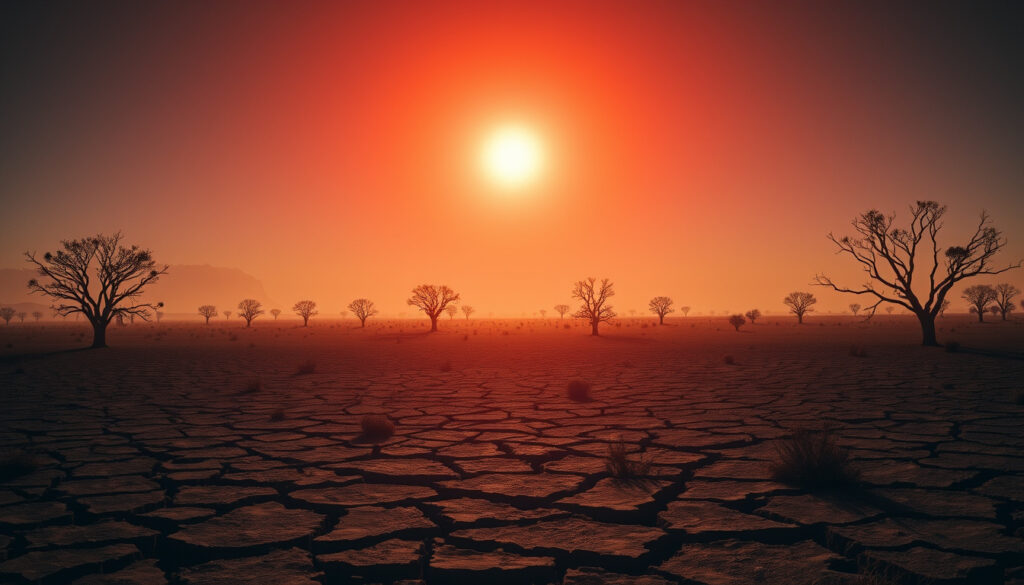
4000km Heatwave Australia – Records, Risks and Forecasts
A massive heatwave stretching thousands of kilometres has gripped Australia since mid-December 2024, sending temperatures soaring above 45°C across multiple states and territories. The Bureau of Meteorology has classified the event as severe to extreme in northern regions, with daytime temperatures running 12–16°C above seasonal averages. Overnight conditions have offered little relief, as lows consistently remain above 30°C in many areas.
The extreme weather event, which spans from Western Australia to Queensland, has prompted urgent warnings from authorities. BoM senior meteorologist Dean Narramore described the conditions as unusual for the season, particularly in the Northern Territory where monsoonal weather typically dominates at this time of year. The heatwave has already produced some of the hottest temperatures Australia has seen since the catastrophic 2019–2020 “Black Summer” bushfires.
2024 is on track to become one of Australia’s hottest years on record, ranking second or third overall. Major population centres including Perth, Brisbane, and Sydney have all experienced exceptional temperatures, with some cities breaking long-standing records. Emergency services are urging residents to take precautions as the prolonged heat creates significant health and fire risks.
What Is the 4000km Heatwave Across Australia?
The current heatwave represents one of the most expansive extreme temperature events Australia has experienced in recent years. According to the Bureau of Meteorology, the event resulted from a weather front delivering intense heat, dry air, and strong gusty winds, compounded by a stationary high-pressure system in the upper atmosphere. This atmospheric setup has allowed scorching conditions to persist across a vast geographic area.
Key Facts About the Heatwave
- Temperatures exceeded 45°C in numerous populated areas across multiple states
- Daytime highs ran 12–16°C above normal seasonal averages
- Overnight minimums frequently stayed above 30°C, limiting recovery from daytime heat
- The event has been compared to the 2019–2020 “Black Summer” heatwaves in intensity
- 2024 ranks as Australia’s second or third hottest year overall
- Perth broke its all-time daytime temperature record by 0.5°C
- Brisbane experienced its hottest nights since 1973 due to elevated humidity
Temperatures by State and Territory
| State/Territory | Location | Peak Temperature | Date |
|---|---|---|---|
| Victoria | Walpeup | 47.1°C (116.8°F) | 16 Dec |
| Queensland | Birdsville | 47.2°C (117.0°F) | 26 Dec |
| South Australia | Renmark | 46.1°C (115.0°F) | 16 Dec |
| New South Wales/ACT | Smithville | 45.1°C (113.2°F) | 16 Dec |
| Queensland | Urandangi | 45.3°C (113.5°F) | 16 Dec |
| Northern Territory | Jervois | 45°C (113°F) | 16 Dec |
| Western Australia | Mardie | 41.3°C (106.3°F) | 16 Dec |
| Tasmania | Low Rocky Point | 36.0°C (96.8°F) | 16 Dec |
How Severe Is This Heatwave? Record Temperatures Explained
The current heatwave has produced extraordinary temperature readings across the continent. Victoria’s Walpeup reached 47.1°C on 16 December, while Queensland’s Birdsville hit 47.2°C later in the month. South Australia’s Renmark recorded 46.1°C, and multiple locations in New South Wales and the Northern Territory exceeded 45°C on the same date. These figures represent some of the highest temperatures recorded in those regions during the current heat event.
Breaking Long-Standing Records
Perth achieved what meteorologists are calling a historic milestone by breaking its all-time daytime temperature record. The Western Australian capital reached 39°C in late December, surpassing its previous record by 0.5°C. Meanwhile, Brisbane has endured its hottest nights since 1973, with high humidity levels combining with elevated overnight temperatures to create dangerous conditions for residents unaccustomed to such extremes.
The 2024 heatwave marks the hottest temperatures Australia has experienced since the catastrophic 2019–2020 “Black Summer” bushfire event. The Bureau of Meteorology has classified conditions as severe to extreme in northern regions, with lesser but still significant intensity affecting southeastern areas.
Why This Heatwave Is Exceptional
Several factors combine to make this event particularly severe. Daytime temperatures running 12–16°C above seasonal norms represent a significant departure from typical December conditions. More concerning, overnight minimums frequently remain above 30°C, denying the body the natural cooling recovery period that usually follows extreme daytime heat. The stationary high-pressure system anchoring the heat has prevented the cooler air masses that typically provide relief from the north.
Health and Bushfire Risks from the Heatwave
Authorities have expressed serious concerns about the health implications of this prolonged extreme heat event. While comprehensive health impact data remains limited, the combination of sustained temperatures above 45°C during daylight hours and persistently warm nights creates dangerous conditions for vulnerable populations. Heat stress poses particular risks in urban areas like Perth and Brisbane, where the urban heat island effect amplifies already extreme temperatures.
Bushfire and Storm Warnings
Tasmania faces elevated fire danger as dry thunderstorms coincide with the heatwave. The Bureau of Meteorology warns of inland winds reaching 50–60 km/h with coastal gusts up to 90 km/h, creating conditions where lightning strikes could easily ignite blazes. Scattered storms are also possible in Queensland and inland New South Wales, with some potentially severe, according to meteorological forecasts.
The convergence of extreme heat, dry fuels, and storm activity has created critical fire weather conditions across multiple states. Residents in affected areas should monitor official warnings and prepare evacuation plans.
Protecting Health During Extreme Heat
Health authorities recommend that residents in affected areas stay hydrated, avoid strenuous outdoor activities during peak afternoon hours, and check on vulnerable neighbours including the elderly and those with pre-existing health conditions. Air conditioning and cool spaces become essential during this period, and residents should recognise signs of heat exhaustion including dizziness, nausea, and rapid breathing.
When Will the 4000km Heatwave End?
The heatwave began in mid-December 2024, with peak temperatures occurring between 16 and 26 December. However, meteorological authorities have not provided a definitive end date for the event. The Bureau of Meteorology notes that the stationary high-pressure system responsible for the prolonged heat shows no immediate signs of breaking down, suggesting conditions may persist into late December and potentially beyond.
While the Bureau of Meteorology continues monitoring conditions, precise predictions about when temperatures will return to seasonal norms remain difficult. The best source for the latest forecasts and warnings is the official Bureau of Meteorology website.
The Clean Energy Council – Australia’s Renewables Peak Body has noted that extreme weather events highlight the growing importance of energy resilience. Electricity demand for cooling typically surges during heatwaves, placing additional strain on power infrastructure. Those experiencing power disruptions may find our Jobs in Adelaide – 2025 Market Stats and Job Search Guide useful for exploring alternative employment opportunities during this challenging period.
Timeline of the Heatwave
The progression of the 2024 Australia heatwave can be traced through key dates and events:
- Mid-December 2024 – The heatwave begins, establishing the atmospheric pattern that will drive extreme temperatures across the continent
- 16 December 2024 – Peak temperatures recorded across multiple states, including Victoria (47.1°C), South Australia (46.1°C), and New South Wales (45.1°C)
- Late December 2024 – Perth breaks its all-time daytime temperature record by 0.5°C; Brisbane experiences hottest nights since 1973
- 26 December 2024 – Birdsville, Queensland reaches 47.2°C, one of the highest temperatures recorded during this event
- Ongoing – Stationary high pressure maintains extreme conditions across the affected regions
What We Know and What Remains Unclear
Established Information
- Temperatures exceeded 45°C in multiple populated areas
- Daytime highs ran 12–16°C above seasonal averages
- Overnight lows frequently stayed above 30°C
- Perth broke its all-time daytime record
- Brisbane had its hottest nights since 1973
- Tasmania faced fire risks from dry thunderstorms
- 2024 ranks as Australia’s second or third hottest year
Information That Remains Unclear
- Precise geographic extent of the 4000km span
- Definitive end date for the heatwave event
- Complete health impact statistics
- Total number of heat-related casualties or hospitalisations
- Whether January 2025 will bring relief
Historical Context: Australian Heatwaves
Australia has experienced numerous extreme heat events throughout its recorded meteorological history, though the frequency and intensity of such events have drawn increasing attention in recent decades. The current heatwave has been directly compared to the 2019–2020 “Black Summer” bushfire event, which produced catastrophic conditions across much of the continent. Scientists at organisations including the CSIRO continue studying the relationship between climate patterns and extreme weather frequency.
The Bureau of Meteorology’s classification system distinguishes between heatwave severity levels, with the current event rated as severe to extreme in northern regions. This classification takes into account not only absolute temperatures but also the duration of elevated conditions and overnight minimum temperatures, factors that compound the overall impact on communities and infrastructure. For more detailed analysis of climate patterns affecting Australia, explore our Australian climate resources.
“These conditions were unusual for the season, especially in the Northern Territory where monsoonal weather is typical.”
— BoM senior meteorologist Dean Narramore
Summary
The 4000km heatwave affecting Australia since mid-December 2024 represents a significant meteorological event, with temperatures exceeding 45°C across multiple states and territories. Record-breaking heat has affected communities from Perth to Brisbane, with overnight conditions offering little relief as minimum temperatures remain elevated. The Bureau of Meteorology has classified conditions as severe to extreme, and authorities continue urging residents to take precautions against heat-related health risks and bushfire dangers. For those seeking employment opportunities during this challenging period, the Jobs in Adelaide – 2025 Market Stats and Job Search Guide provides resources for workers in affected areas.
Frequently Asked Questions
Is the current heatwave in Australia dangerous?
Yes, the heatwave presents significant dangers. Temperatures exceeding 45°C combined with overnight lows above 30°C create conditions that can lead to heat exhaustion, heat stroke, and other heat-related illnesses, particularly for vulnerable populations.
What should I do during an extreme heatwave in Australia?
Stay hydrated, avoid outdoor activities during peak afternoon hours, use air conditioning when available, check on vulnerable neighbours, and monitor official Bureau of Meteorology warnings for updates in your area.
How does this heatwave compare to past events?
Meteorologists compare this event to the 2019–2020 “Black Summer” heatwaves, marking the hottest temperatures Australia has experienced since that catastrophic period. The 2024 year overall ranks as Australia’s second or third hottest on record.
Which cities have been most affected by the heatwave?
Perth broke its all-time daytime temperature record, while Brisbane experienced its hottest nights since 1973. Regional centres in Victoria, South Australia, and Queensland recorded temperatures exceeding 47°C during peak periods.
Are there bushfire warnings during this heatwave?
Yes, Tasmania faces elevated fire risks with dry thunderstorms and strong winds creating dangerous conditions. Queensland and inland New South Wales may experience scattered storms, some potentially severe.
Where can I find the latest weather warnings?
The most current forecasts and warnings are available from the Bureau of Meteorology website. For heatwave-specific health guidance, the Department of Health provides additional resources.
More related posts
 Madame Tussauds Sydney Tickets 2025: Prices & Discounts
 Grow a Garden Wiki: Events, Pets, Mutations Guide
 Kim Possible Cancellation: Reasons, Timeline & Key Facts
 Better Call Saul vs Breaking Bad: Which Is Better?
 Chris Evans on Trump, LGBTQ Ally, and Personal Life
 Holy Basil Darling Square – Menu, Reviews, Hours & Location Guide
 Alison Hammond: Weight Loss, Net Worth & Relationship
 Zip Up Hoodie Guide: Top Brands, Styles & Buying Tips